Best Flooring for CrossFit Gyms & Functional Fitness UK 2026
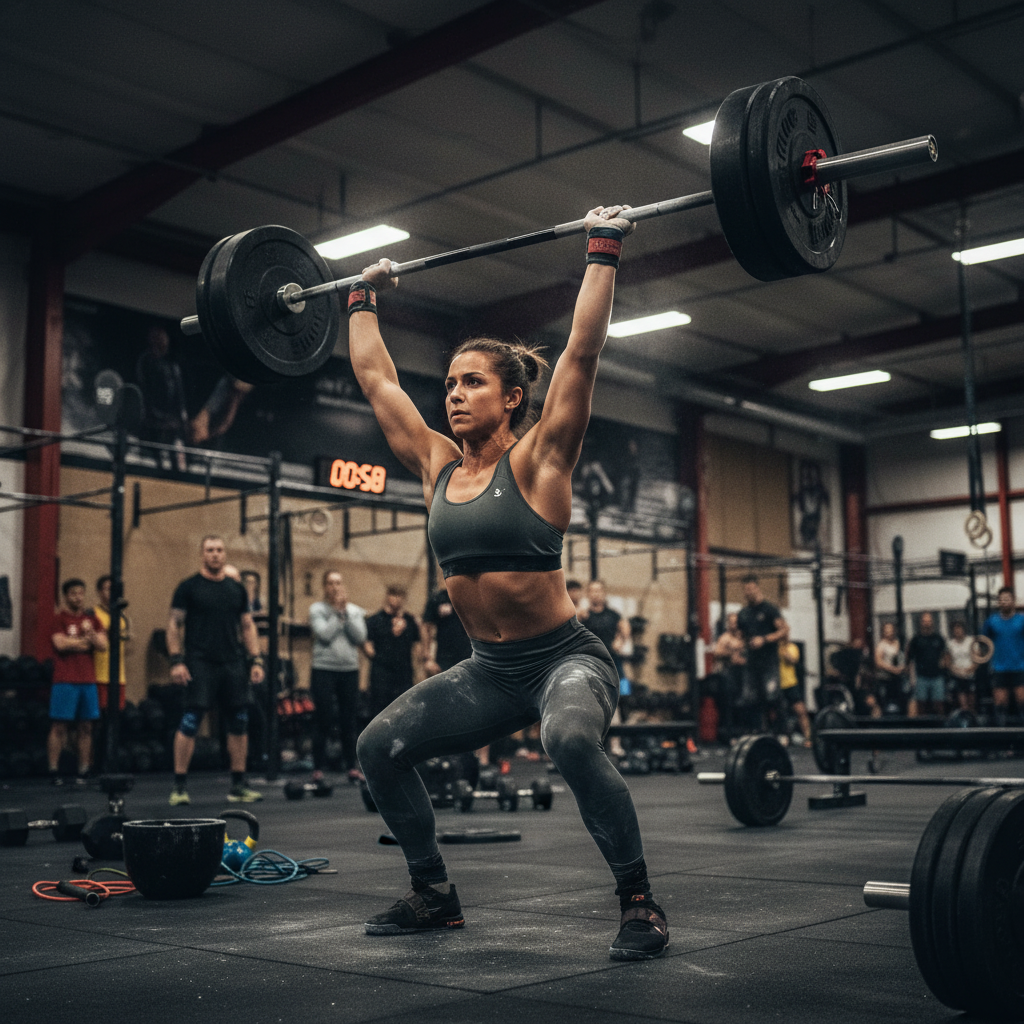
CrossFit and functional fitness training demand specialized flooring that can handle extreme punishment. Between dropped barbells, box jumps, sled pushes, and high-intensity circuits, your flooring takes more abuse in one day than traditional gyms see in a month.
Why CrossFit Flooring is Different
CrossFit boxes face unique challenges: Olympic lifts dropped from 2+ meters with 100-200kg loads, hundreds of barbell drops daily, multi-directional explosive movements, and 12-18 hour operation with back-to-back classes. Standard gym flooring fails catastrophically in these environments.
Essential Requirements
Impact Resistance
CrossFit flooring must handle repeated drops from 2+ meters without damage. Recommended specifications: 10-15mm rubber for Olympic lifting zones, 8-10mm for general WOD areas, 6-8mm for warm-up zones. Each additional millimeter absorbs 10-15% more impact energy.
Durability
Must withstand 10,000+ barbell drops without permanent compression, maintain thickness for 10-15 years, resist tearing from equipment dragging, and handle 500kg+ point loads. Look for density ratings of 950-1,100 kg/m³.
Traction and Safety
Textured surface providing grip during explosive movements, non-slip when wet from sweat, stable footing for Olympic lifts. Surface options include diamond plate (maximum grip), coin pattern (easier to clean), or smooth with texture (balanced).
Best Flooring Options
1. Heavy-Duty Rubber Rolls (Industry Standard)
Rubber rolls dominate CrossFit installations worldwide. They handle all movements, provide excellent shock absorption, last 15-20 years, and offer professional appearance. Recommended: 8-10mm thickness, 950+ kg/m³ density, textured surface. Cost: £35-55 per m². 8-10mm commercial rubber rolls are ideal for main training areas.
2. Olympic Lifting Platforms (Essential)
Dedicated platforms provide maximum protection for heavy lifts. Construction: hardwood center (oak/maple) for stable lifting, 15-25mm rubber drop zones, plywood base, typically 2.4m x 2.4m. Cost: £400-1,200 per platform. Recommendation: Install 4-8 platforms in dedicated zone, use 8-10mm rubber for surrounding areas.
3. Rubber Tiles (Alternative)
Interlocking tiles offer flexibility but have limitations. Advantages: easy replacement, no adhesive needed. Disadvantages: seams separate under impact, edges curl, gaps collect debris. Cost: £40-70 per m². Best for small boxes under 150m² or budget startups.
What NOT to Use
Never use foam flooring (destroyed within weeks), vinyl (cracks from drops, slippery when wet), or standard 5-6mm rubber (insufficient for Olympic lifting, premature wear).
Zone Planning
Olympic Lifting (20-30%): Platforms with 15-20mm rubber, 4-8 platforms depending on size
Main WOD Area (40-50%): 8-10mm rubber rolls, open space for classes
Cardio Zone (10-15%): 6-8mm rubber, rowers and bikes
Warm-up Area (10-15%): 6-8mm rubber, stretching and mobility
Rig Area: 8-10mm rubber, bolted through to concrete
Installation
Subfloor Requirements
Concrete subfloors ideal: minimum 100mm thickness, properly cured 28+ days, level within 3mm per 3m, all cracks filled. Wooden subfloors require structural assessment and may need reinforcement.
Adhesive vs Loose-Lay
Adhesive installation recommended for all commercial boxes: maximum stability, no movement, required for insurance. Cost: £10-20 per m² labor. Loose-lay only suitable for garage gyms or temporary setups.
Cost Analysis
300m² CrossFit Box Budget
Materials: 8mm rubber rolls (330m²): £13,200-18,150, 6 platforms: £2,400-4,800, adhesive: £1,000-1,500, edging: £400-600. Total: £17,000-25,050
Installation: Subfloor prep: £1,500-3,000, professional install: £4,500-7,500, platforms: £600-1,200. Total: £6,600-11,700
Total Investment: £23,600-36,750
Cost per member (200 capacity): £118-184
Annual cost (15-year lifespan): £1,573-2,450
ROI Analysis
200-member box with £120/month membership: 5% retention improvement = 10 additional members = £14,400 annual revenue. Flooring investment £30,000 pays back in 2.1 years, generates £216,000 additional revenue over 15 years. Plus liability protection (one prevented claim worth £10,000-100,000) and equipment protection (saves £5,000-15,000 over 10 years).
Maintenance
Daily (15-20 min): Sweep chalk, spot clean sweat, inspect platforms
Weekly (1-2 hours): Mop with disinfectant, clean under equipment, check seams
Monthly: Deep clean, inspect for damage, re-glue separated seams
Annual Budget: £1,600-3,200 for 300m² box
Common Mistakes
1. Insufficient thickness (using 5-6mm instead of 8-10mm)
2. Skipping Olympic platforms (causes premature wear)
3. Choosing tiles over rolls (tiles separate under impact)
4. Inadequate subfloor prep (causes failure, voids warranty)
5. Loose-lay in commercial box (shifts, insurance issues)
6. Buying on price alone (cheap flooring fails in 3-5 years)
Recommendations by Box Type
Garage Gym: 8mm rubber rolls (20-40m²), 1-2 DIY platforms, loose-lay OK. Budget: £1,200-2,500
Startup Box: 8mm rubber (150-200m²), 4 platforms, adhesive install. Budget: £12,000-20,000
Established Box: 10mm rubber (300-400m²), 6-8 platforms, professional install. Budget: £24,000-40,000
Premium Box: Specialty system (500m²+), 8-12 competition platforms, custom branding. Budget: £50,000-80,000
Final Recommendations
For most CrossFit boxes, 8-10mm commercial-grade rubber rolls combined with dedicated Olympic platforms provide optimal performance, safety, and value. This combination handles extreme abuse, protects your facility, and lasts 15-20 years. Never compromise on thickness or quality - your flooring is fundamental to member safety and business success.